Articles for children's care, learning and development.
|
Cold Comfort for Birds
news article from the RSPB helping birds
|
With snow and
freezing temperatures arriving across the UK this week, the RSPB is
appealing for people to spare a thought for the birds who need our help
to survive the cold snap.
Finding food and ensuring they eat enough of it to build - and
maintain - adequate fat supplies to store on the body and ‘burn’ for energy
is the greatest test for wild birds in winter. And the food and water
we provide can be the difference between life and death in many cases.
The reminder comes as many parts of the country are already experiencing
several inches of snow and the Met Office forecasts cold and snowy weather
to arrive elsewhere in the next couple of days.
When temperatures fall below freezing, our birds struggle to find
the food they need to survive the winter in healthy condition, vital
for breeding in spring.
'By feeding the birds in your garden, you can help them survive the worst
of the winter weather'
Natural food is covered in snow and ice and impossible to get
to. Water birds may be forced to leave iced-over lakes and rivers. The
ground becomes too hard for birds like thrushes and lapwings to probe,
and natural food like berries, acorns and seeds is buried.
During cold snaps like this current one, birds are more likely
to come into our gardens to seek sanctuary. People can help improve
birds’ chances of survival through these cold periods by providing food
like meal worms, fatballs, crushed peanuts, dried fruit and seeds and
grain.
They could also put out leftovers like grated cheese, porridge
oats, soft fruit, cooked rice and pasta and the insides of cooked potatoes.
Water is also vital for both drinking and bathing and bird baths
can be kept from freezing over using small floating items like twigs or
ping pong balls.
|
|
Gemma Rogers, RSPB spokesperson says: “As winter
arrives with a vengeance again this week, our garden birds will be in
for a nasty shock. Insects become harder to find and seeds and berries
can be locked away by snow and frost. Freezing weather is a potential
death sentence for many birds but by feeding the birds in your garden,
people can help them survive the worst of the winter weather. Just a little
water, food and shelter can turn your garden into a vital haven for birds
in the freezing winter months.”
The RSPB is asking people to follow a wild bird winter survival
plan that will help wildlife during the harshest weather.
|
1.
Put out feed regularly, especially in severe weather. Set up a bird table
and use
high calorie seed mixes. This can also be
used to put out kitchen scraps such as
animal fats, grated cheese and porridge oats.
2. Put out hanging feeders for
black sunflower seeds, sunflower hearts, sunflower-rich
mixes or unsalted peanuts.
3. Ensure a supply of fresh water
every day. If it is very cold use tepid water but DO
NOT use any antifreeze products.
4. Put out fruit, such as apples
and pears, for blackbirds, song thrushes and other
members of the thrush family.
5. Food bars or fat hung up or
rubbed into the bark of trees is a great help for
treecreepers, goldcrests and many other species.
6. Put up nest boxes to provide
roost sites for the smaller birds. They will then be used
for breeding later in the year.
|
|
Leftovers from Yule or New Year meals can also provide a welcome boost
for wildlife - cake crumbs, pastry and cheese are all readily eaten by
wild birds. People may also notice a change in the behaviour of birds given
the extreme conditions.
You may witness a flurry of activity first thing in the morning – as
birds replenish energy lost overnight - and last thing in the afternoon
- to prepare for the long night ahead.
During a hard winter birds have to feed at an accelerated rate,
but must also take adequate time out to rest and conserve energy. Many
birds become more sociable to improve their chances of survival during
cold weather. Flocking together in winter improves the chances of locating
food and huddling together during the critical night-time period helps
conserve body heat.
The ability to fly is also a key to survival and can lead to
sudden - and dramatic - changes in the birdlife of an area. Flying to
milder regions in search of areas less affected by the weather or where
food is still readily available is a vital tactic.
Garden birds benefit significantly from the increased variety
and quality of food that people put out in their gardens. The RSPB Birdcare
range offers a wide variety of high quality food and 100% of the profits
go to wildlife conservation.
|
|
---------------
If you use the information in this news article with your setting's
children please feel free to get in touch and share how you supported
your local birds.
Additional activity
ideas
 Bird
seed food recipe
Bird
seed food recipe
Bird
feeder outline to collage and mark make with ..
Junk model bird boats ..
Bird box nest cameras - HandyKam.com
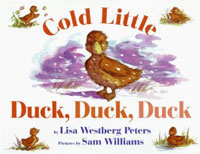
Bird storybook to help explore welfare issues with children
|
Cold little duck, duck, duck
|
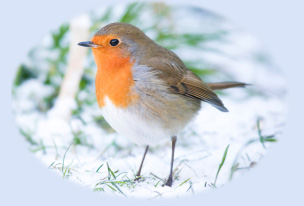
Lead image - snowy robin
image istock© Andrew Howe
|
|

|
|